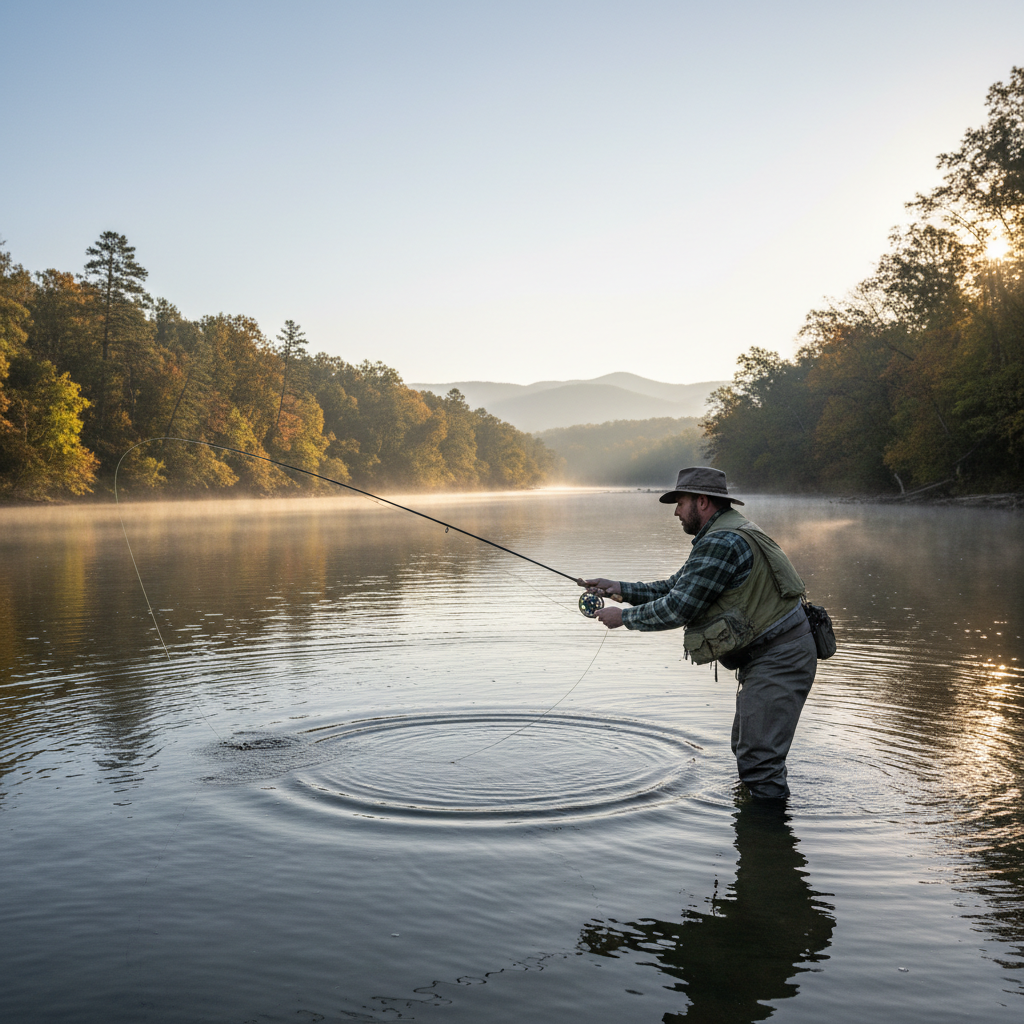
Little Red River
Fly Fishing Guide.
Everything you need to know about fly fishing one of America's finest tailwater trout fisheries — best flies, productive sections, drift boat vs wading, and what the fish are eating right now.
Fly Selection
Best Flies for the
Little Red River.
Proven patterns refined over 15 years of guiding on this specific water. These flies consistently produce fish.
Midges (Year-Round)
Zebra Midge
#18–22The #1 most productive fly on the Little Red River. Black thread, silver wire, silver bead.
Mercury Midge
#20–24Deadly in clear low water. Glass bead head catches the light perfectly.
Disco Midge
#20–22Flashy attractor pattern that works when fish are keyed on midge clusters.
Griffith's Gnat
#18–22Dry fly for surface feeding trout during midge hatches.
Nymphs & Scuds
Scud (Olive/Gray)
#14–18Freshwater shrimp are a major food source. Olive and gray are most productive.
San Juan Worm
#12–16Highly effective after generation events when worms wash into the river.
Sowbug
#14–18Aquatic pillbug imitation. Incredibly productive in slower pools and tailouts.
Pheasant Tail
#16–20Classic nymph that imitates multiple food sources. Never leave home without it.
Dry Flies & Streamers
BWO (Blue Wing Olive)
#18–22Afternoon hatches in spring and fall bring explosive dry fly action.
Elk Hair Caddis
#14–18Evening caddis hatches from May through September. Reliable surface producer.
Woolly Bugger
#6–10Streamer for targeting large brown trout in deeper runs and near structure.
Clouser Minnow
#4–8Weighted streamer for high water conditions and aggressive feeding browns.
Don't have these flies? Don't worry —
All flies and tackle are provided on every guided trip.
Book a Guided TripRiver Sections
Where to Fish the
Little Red River.
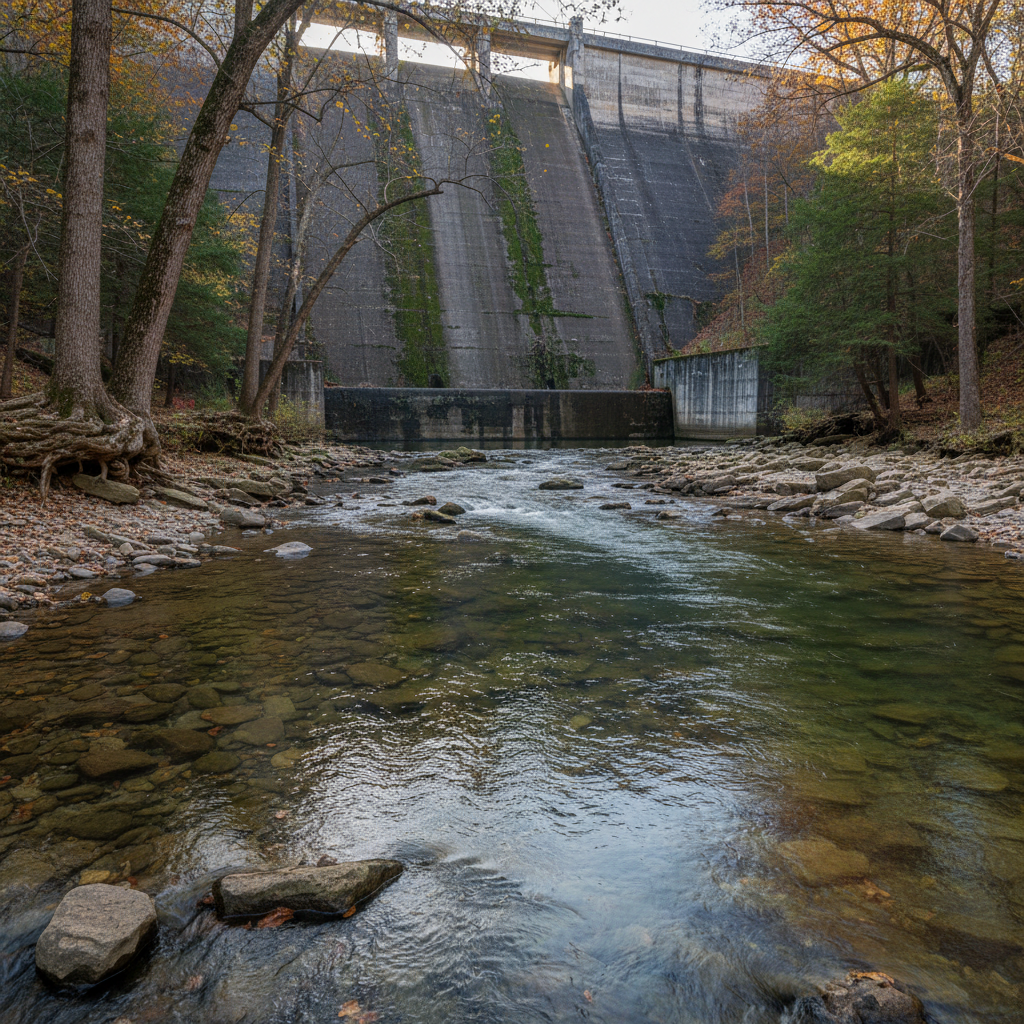
Upper Section
Below the Dam — Miles 0–5
The most productive section of the river. Coldest water, highest fish density, and where the world-record brown trout was caught. Generation directly affects this section — flows can rise quickly.
Advantages
- Highest fish density
- Largest average fish size
- World-record water
- Year-round cold temps
Considerations
- Generation affects wading safety
- More fishing pressure
- Boat access preferred
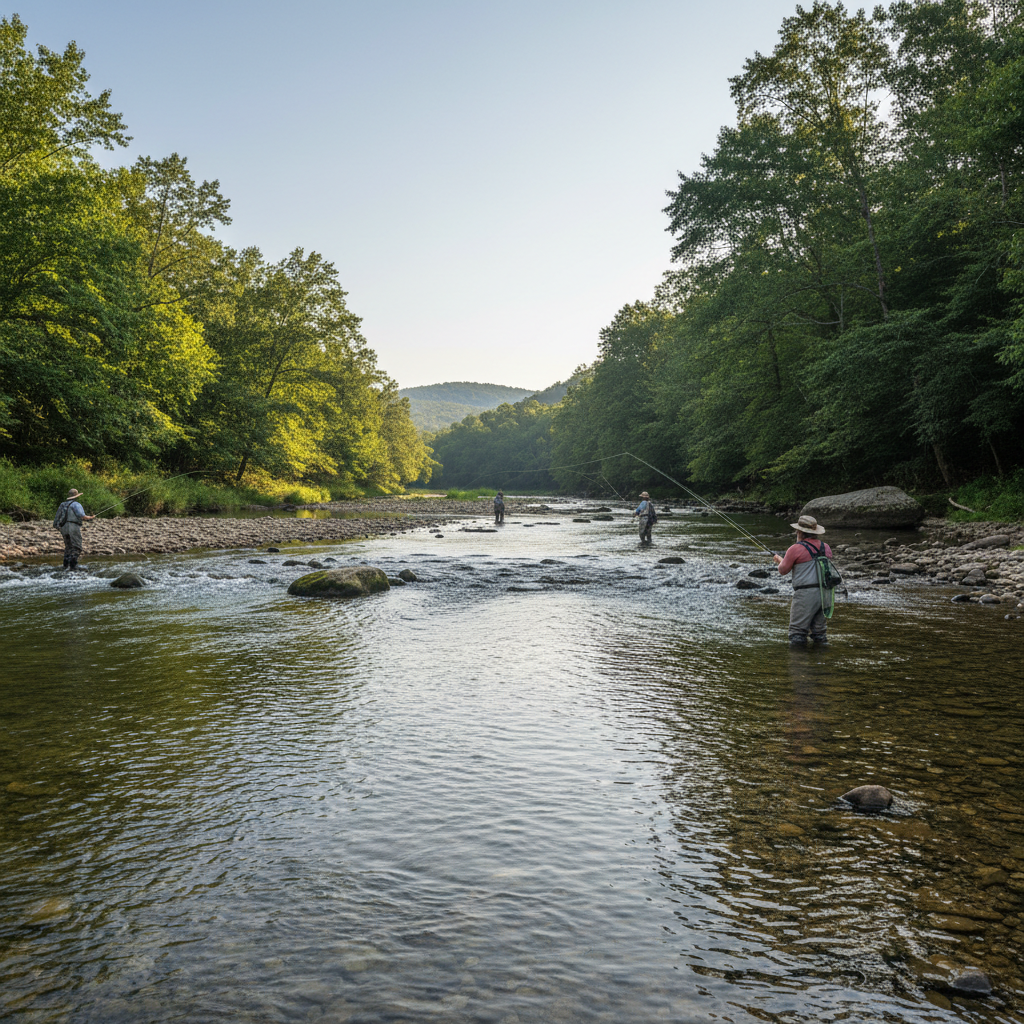
Middle Section
Pangburn to Quitman — Miles 5–15
More accessible section with excellent wading opportunities. Water warms slightly but still holds good populations of rainbow trout. Perfect for beginners learning to wade fish.
Advantages
- Safer wading in most flows
- Less pressure mid-week
- Good rainbow trout numbers
- Multiple access points
Considerations
- Fewer trophy-sized browns
- Warmer water in summer
- Longer drive from dam
Methods & Tactics
Drift Boat vs.
Wading the River.
Drift Boat Fishing
Our drift boat allows us to cover 8–12 miles of river in a single day, presenting flies to fish that rarely see an angler. The boat provides a stable casting platform and access to sections unreachable by wading.
Best in: High generation flows · Full day trips · When covering water matters
Wading the Little Red
Wading the Little Red River in low generation periods is an exceptional experience. Crystal clear water allows sight fishing to individual trout. The river bottom is predominantly gravel and limestone — excellent footing with proper wading boots.
Best in: Low generation · Morning midge hatches · Clear water sight fishing
⚠️ Generation Safety Warning
Greers Ferry Dam can begin generating with little warning, causing the river to rise rapidly. Never wade without checking the current generation schedule. All guided trips include real-time generation monitoring for your safety.
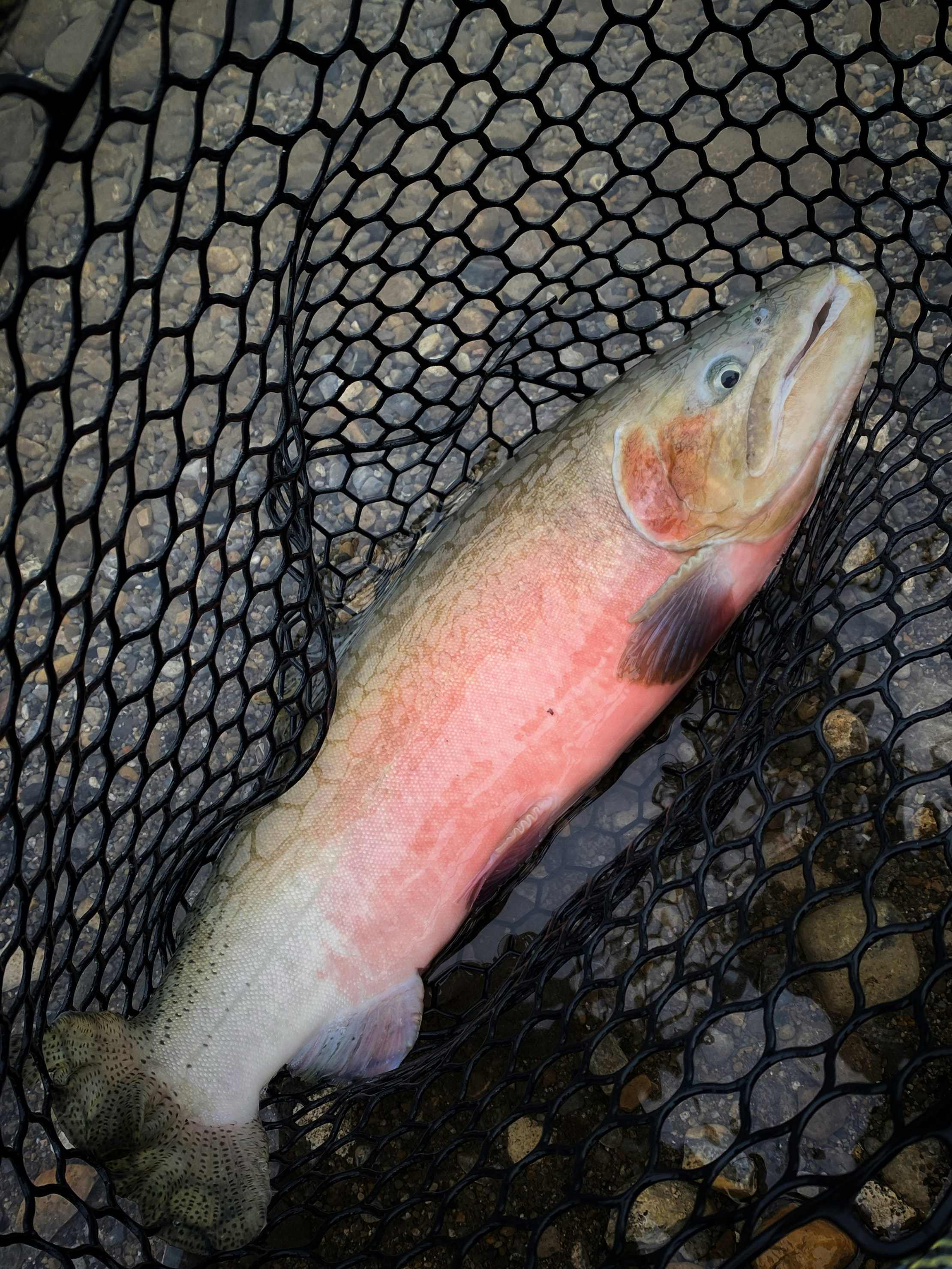
Ready to put this into practice?
Fish With a Guide Who
Knows This River.
Reading about fly fishing is one thing. Standing in the river with a guide who knows exactly which fly to use, where the fish are holding, and how to present it — that's how you catch fish.
- 15 years of Little Red River expertise
- All flies and gear provided
- Casting instruction for all skill levels
- Real-time generation monitoring